
What is carbon accounting for CPAs? Carbon accounting for CPAs is the process of quantifying, auditing, and reporting a company's greenhouse gas emissions to comply with global financial and environmental regulations.
The corporate world is undergoing a massive shift in 2026. Financial metrics are no longer the only measure of a company's success. Investors now demand complete transparency regarding environmental impact.
This creates a massive opportunity for financial professionals. The same skills used to audit financial ledgers are now required to audit carbon ledgers.
If you want to secure high-paying executive roles, you must expand your expertise. In this comprehensive guide, we will explore the core frameworks, compliance standards, and career opportunities in this booming field.
The Rise of Carbon Emissions Accounting
Historically, environmental tracking was left entirely to scientists and operations teams. Today, carbon emissions accounting is firmly in the hands of the Chief Financial Officer (CFO).
Global regulators now mandate strict environmental disclosures. Companies face severe financial penalties for "greenwashing" or publishing inaccurate data. They need licensed professionals to ensure absolute data integrity.
This is exactly where certified accountants step in. You bring rigor, standardized methodologies, and audit-ready documentation to corporate environmental data.
The Carbon Footprint Reporting Framework
To measure impact accurately, you need a highly standardized system. The primary carbon footprint reporting framework used globally is the Greenhouse Gas (GHG) Protocol.
This framework categorizes corporate emissions into three distinct boundaries. Understanding these specific boundaries is essential for accurate greenhouse gas emissions reporting.
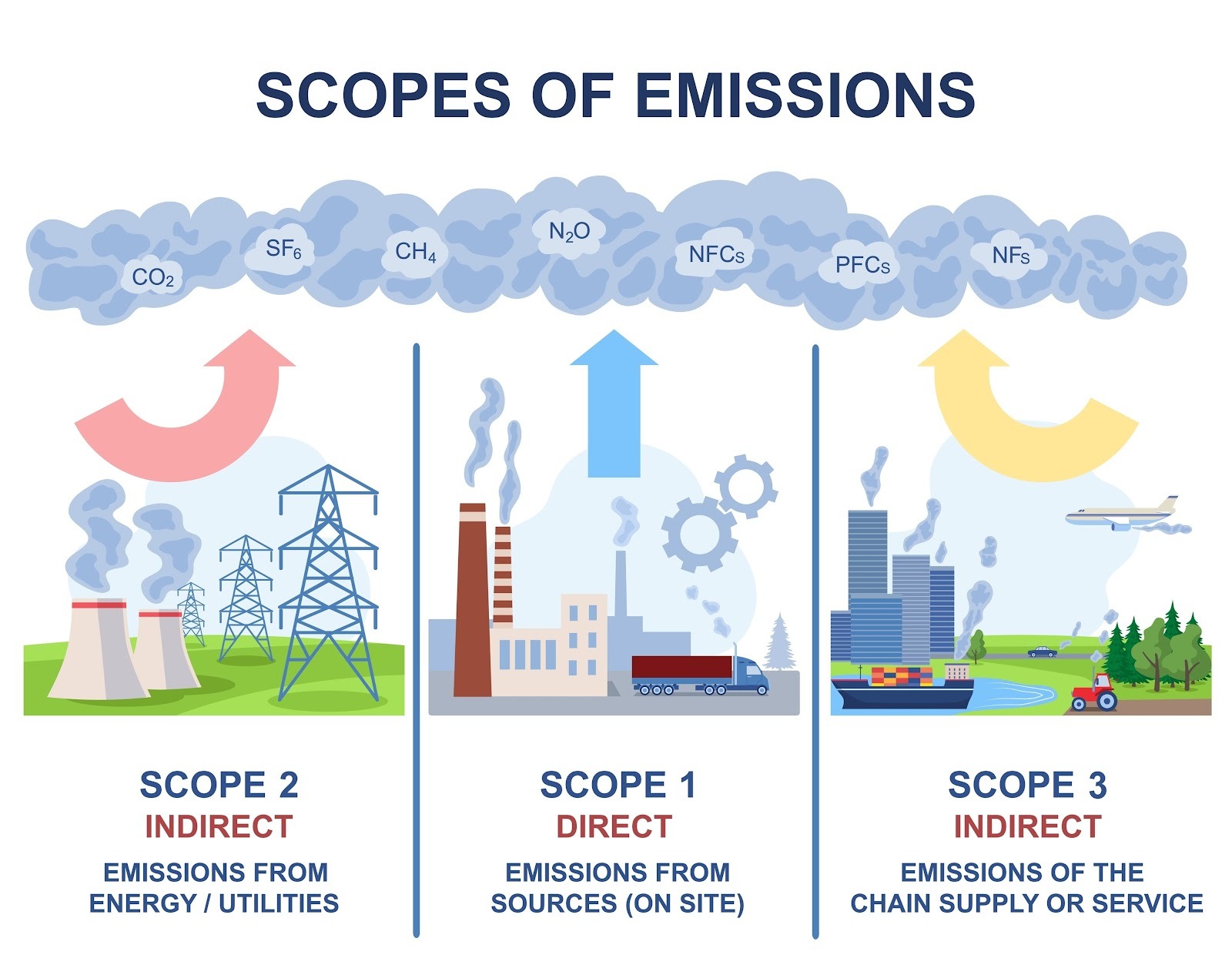
Scope 1 Scope 2 Scope 3 Emissions Reporting
Here is exactly how the GHG Protocol categorizes corporate emissions for audit purposes:
- Scope 1: Direct emissions from owned or controlled sources. (Example: Fuel consumed by the company's delivery fleet).
- Scope 2: Indirect emissions from the generation of purchased electricity, steam, or cooling. (Example: Electricity bought to power the corporate headquarters).
- Scope 3: All other indirect emissions occurring in the company's value chain. (Example: Emissions from business travel, waste disposal, or purchased goods).
Key Sustainability Reporting Standards in 2026
The regulatory landscape is moving incredibly fast. You must stay updated on the latest sustainability reporting standards to advise your clients effectively.
In 2026, the International Sustainability Standards Board (ISSB) standards (IFRS S1 and S2) are fully operational across multiple jurisdictions. These standards link sustainability disclosures directly to financial value creation.
Similarly, the US Securities and Exchange Commission (SEC) has tightened its environmental disclosure rules. Public companies must now include material climate risks directly in their annual financial filings.
ESG Reporting for Accountants: A Strategic Advantage
Environmental, Social, and Governance (ESG) criteria actively drive global investment decisions. ESG reporting for accountants is no longer a niche specialty. It is a mandatory core competency.
If you can audit a complex supply chain for financial leaks, you can audit it for carbon leaks. By mastering these specific skills, you elevate yourself from a traditional number-cruncher to a strategic corporate advisor.
Technology and Climate Disclosure Reporting
Manual spreadsheets are completely useless for tracking global supply chain emissions. Modern climate disclosure reporting relies heavily on advanced enterprise software and Artificial Intelligence (AI).
AI tools can instantly analyze utility bills across thousands of global facilities to calculate Scope 2 emissions accurately. As a modern CPA, you must be highly comfortable using these tech-driven platforms to aggregate data securely.
Career Scope and Salary Trends
The corporate demand for professionals skilled in carbon accounting for CPAs is vastly outpacing the supply. Global Capability Centers (GCCs) in India are rapidly building dedicated ESG task forces.
Here is a look at the 2026 salary trends for ESG-focused finance roles:
| Job Title | Average Salary (India) | Average Salary (US) |
|---|---|---|
| ESG Reporting Analyst | ₹12 Lakhs – ₹18 Lakhs | $85,000 – $105,000 |
| Sustainability Audit Manager | ₹22 Lakhs – ₹35 Lakhs | $120,000 – $150,000 |
| Director of ESG Reporting | ₹45 Lakhs – ₹70 Lakhs | $180,000 – $250,000+ |
How Miles Education Equips You for the Future
At Miles Education, we constantly adapt our training to match real-world industry shifts. We know that the modern financial professional needs a hybrid blend of accounting rules and technological expertise.
Through the Miles One App, students can access cutting-edge resources and participate in intensive skill-building sprints. Participating in initiatives like a 7-Day AI-in-Accounting challenge helps you master the exact data tools required for modern sustainability tracking.
Furthermore, our CAIRA (Certified AI-Ready Accountant) certification ensures you are perfectly positioned to lead tech-driven ESG audits. We prepare you to be the global finance leader of tomorrow.
Conclusion
The era of mandatory climate transparency has fully arrived. Mastering the complexities of corporate carbon ledgers is the smartest way to future-proof your career in 2026.
By understanding Scope 1, 2, and 3 emissions, leveraging AI tools, and adhering to strict ISSB standards, you become an invaluable corporate asset. Upgrade your technical skill set today and lead the charge in sustainable global finance.
Frequently Asked Questions (FAQs)
1. What is carbon accounting for CPAs?
Carbon accounting for CPAs involves quantifying and auditing a corporation's greenhouse gas emissions. Accountants use their traditional auditing skills to ensure environmental data complies strictly with global financial reporting standards.
2. What are the key sustainability reporting standards?
The key sustainability reporting standards in 2026 include the ISSB guidelines (IFRS S1 and S2) and the SEC climate disclosure rules. These frameworks dictate exactly how companies must report their environmental risks to investors.
3. How does scope 1 scope 2 scope 3 emissions reporting differ?
Scope 1 scope 2 scope 3 emissions reporting categorizes emissions by their origin. Scope 1 covers direct company emissions. Scope 2 covers indirect purchased energy. Scope 3 covers all other indirect supply chain emissions.
4. Why is climate disclosure reporting important for corporations?
Climate disclosure reporting provides absolute transparency to global investors regarding a company's environmental impact. Inaccurate or misleading reporting can lead to massive regulatory fines and severe reputational damage.
5. Is ESG reporting for accountants a good career path?
Yes, ESG reporting for accountants is incredibly lucrative today. Top multinational firms and Global Capability Centers (GCCs) pay premium salaries for licensed professionals who can accurately audit complex sustainability metrics.