How Blockchain in Accounting is Changing Finance CPA
Uttam Pai Umesh
US CPA- Accounting & Finance Expert
•
28 Apr 2026
28 Apr 2026
Share this page
Share to
“ Discover the impact of Blockchain in Accounting in 2026. Explore real-world examples, top software, career scope, and how it transforms global corporate finance.
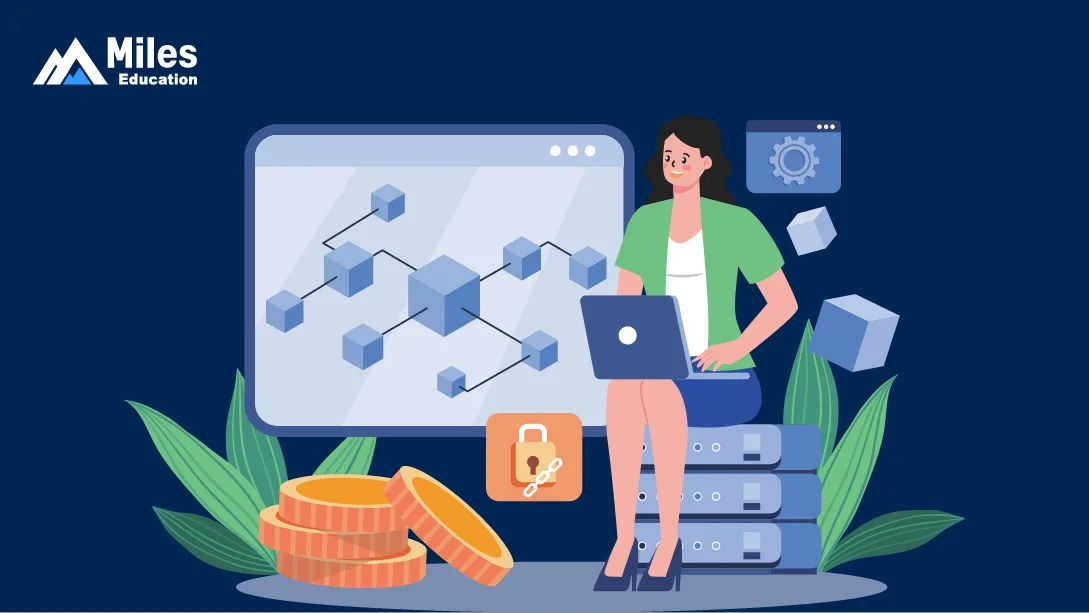
What is Blockchain in Accounting? Blockchain in Accounting is a decentralized, highly secure digital ledger system that records corporate financial transactions across multiple computer networks, ensuring absolute data transparency and virtually eliminating financial fraud.
In 2026, the global financial landscape is shifting rapidly. The traditional double-entry bookkeeping system is undergoing a massive digital overhaul.
Companies no longer want manual reconciliations. They desperately need instant, trustless financial verification. This disruptive technology is reshaping how multinational corporations operate.
If you are a finance professional, ignoring this technological wave is dangerous. You must understand how these complex digital ledgers actually work.
In this comprehensive guide, we will explore the core concepts of this technology. We will review real-world examples, highlight the top software, and show you how to future-proof your global finance career.
Understanding the Blockchain Accounting Meaning
Many students frequently ask, what is blockchain accounting exactly? To understand the blockchain accounting meaning, you must look beyond basic cryptocurrencies like Bitcoin.
In a traditional system, a company keeps its own private ledger. The auditor must spend weeks verifying that private ledger against bank statements and vendor invoices.
Blockchain accounting completely changes this workflow. It introduces a "triple-entry" system. Every time a transaction occurs, it is cryptographically sealed and permanently recorded on a shared, decentralized network.
Because all parties have access to the exact same immutable ledger, manual reconciliation becomes completely obsolete. The data is instantly verified and practically impossible to hack.
Set Miles as Your Preferred Source
See our CPA, CMA and AI-in-accounting updates first on Google.
A Real-World Blockchain Accounting Example
Theory is helpful, but practical application is crucial. Let us look at a real-world blockchain accounting example within a modern corporate supply chain.
Imagine an Indian manufacturing company purchasing raw materials from a supplier in the United States.
The Order: The Indian firm places an order using a digital smart contract.
The Delivery: When the shipping company scans the cargo at the US port, the smart contract automatically updates the shared ledger.
The Payment: The system instantly verifies the delivery and automatically triggers the financial payment to the US supplier.
There are no delayed invoices. There are no manual data entry errors. The entire financial exchange is seamless, instant, and fully transparent to both the buyer and the seller's audit teams.
Top Blockchain Accounting Software in 2026
Modern corporations do not build these networks from scratch. They rely on advanced blockchain accounting software to integrate these ledgers with their existing enterprise systems.
Here are the top technological frameworks driving the industry in 2026:
SAP S/4HANA: This massive cloud ERP now seamlessly integrates decentralized ledger capabilities for global supply chain tracking.
Oracle Blockchain Applications: Oracle provides pre-built applications that allow CFOs to track highly secure, real-time financial transactions.
Hyperledger Fabric: An open-source, enterprise-grade framework heavily utilized by Big 4 firms to build private, permissioned financial networks.
IBM Blockchain Platform: Used extensively for cross-border payments, ensuring absolute compliance with international tax regulations.
The Impact of Blockchain and Accounting Careers
The intersection of blockchain and accounting is creating massive new career opportunities. Basic bookkeeping is heavily automated today.
Multinational Global Capability Centers (GCCs) in cities like Bengaluru and Hyderabad are actively hunting for tech-savvy talent. They need professionals who can audit complex smart contracts.
Visualizing the shift helps clarify your career choices. Here is a clear comparison:
Feature
Traditional Accounting
Decentralized (Blockchain) Accounting
Ledger System
Private, isolated corporate ledgers.
Shared, distributed public or private ledgers.
Reconciliation
Highly manual, slow, and error-prone.
Completely automated and instantaneous.
Audit Process
Retrospective sampling of past data.
Continuous, real-time transaction auditing.
Security
Vulnerable to internal alteration and fraud.
Immutable, cryptographically secured data.
How Many Blockchain in the World?
Students often wonder, how many blockchain in the world currently exist? The answer is incredibly vast.
There are over 10,000 active public cryptocurrencies, each potentially operating on its own unique chain. However, the corporate finance sector operates differently.
Multinational banks and accounting firms do not use public networks like Bitcoin. They use private, permissioned networks. There are currently a few dozen major enterprise-grade networks dominating global corporate finance.
These private networks ensure that sensitive financial data remains strictly confidential while still leveraging the security of cryptographic hashing.
Choosing the Right Blockchain Accounting Course
To secure high-paying executive roles, you must upgrade your technical skills. Enrolling in a specialized blockchain accounting course is an absolute necessity.
However, a standalone technology certificate is not enough. You must pair your tech knowledge with elite, globally recognized accounting credentials.
At Miles Education, we build world-class strategic finance leaders. We know exactly what top-tier global employers demand in the 2026 corporate boardroom.
We provide the premier training necessary to conquer your US CPA or US CMA exams on your very first attempt. We eliminate boring rote memorization completely.
Become an AI-Ready Professional
Furthermore, we guarantee you are ready for the digital economy. Through the CAIRA (Certified AI-Ready Accountant) credential, we teach you how to integrate artificial intelligence and modern data tools directly into your financial workflows.
Through the Miles Talent Hub, we connect our certified alumni directly with top Big 4 firms and Fortune 500 GCCs. We do not just teach you accounting; we launch your premium global career.
Conclusion
The integration of Blockchain in Accounting is fundamentally redefining how global business operates. It brings unparalleled transparency, eliminates manual errors, and destroys financial fraud.
To survive and thrive in 2026, you must embrace this digital transformation. Understand the underlying technology, upgrade your global financial credentials, and learn how to audit decentralized systems. Partner with the right educational experts, master your technical skills, and claim your high-paying executive career today.
Frequently Asked Questions (FAQs)
1. What is the precise blockchain accounting meaning in business?
The blockchain accounting meaning refers to using a distributed, decentralized digital ledger to record financial transactions. It replaces isolated corporate databases with a single, shared, immutable record, providing real-time transparency and eliminating manual reconciliation.
2. Can you provide a simple blockchain accounting example?
A common blockchain accounting example is a smart contract in a supply chain. When a shipment is physically scanned upon delivery, the blockchain automatically verifies the receipt and instantly triggers the financial payment without requiring human invoice matching.
3. What is the best blockchain accounting software available today?
The best blockchain accounting software usually integrates with massive ERP systems. Top-tier tools include Oracle Blockchain Applications, SAP S/4HANA's ledger integrations, and enterprise-grade networks built specifically on the open-source Hyperledger Fabric framework.
4. Why is a blockchain accounting course important for CPAs?
A blockchain accounting course is vital for modern CPAs because traditional audits are changing. Auditors must now understand how to verify transactions on a decentralized network and audit the underlying code of automated smart contracts.
5. Exactly how many blockchain in the world are used for finance?
While people ask how many blockchain in the world exist (there are thousands of public ones), corporate finance relies on a select few. Major institutions primarily use a few dozen private, permissioned enterprise networks to ensure strict data confidentiality.
Uttam Pai Umesh
US CPA- Accounting & Finance Expert
Uttam is a finance professional with over seven years of experience across accounting, auditing, and finance, now teaching at the point where those disciplines meet AI. He teaches accountants how to put AI tools to work in the tasks they already do, and builds learner-focused content that turns complex concepts into steps a student can apply the same week, helping professionals move ahead in their careers with confidence.